
Stomach & food pipe
H. pylori infection
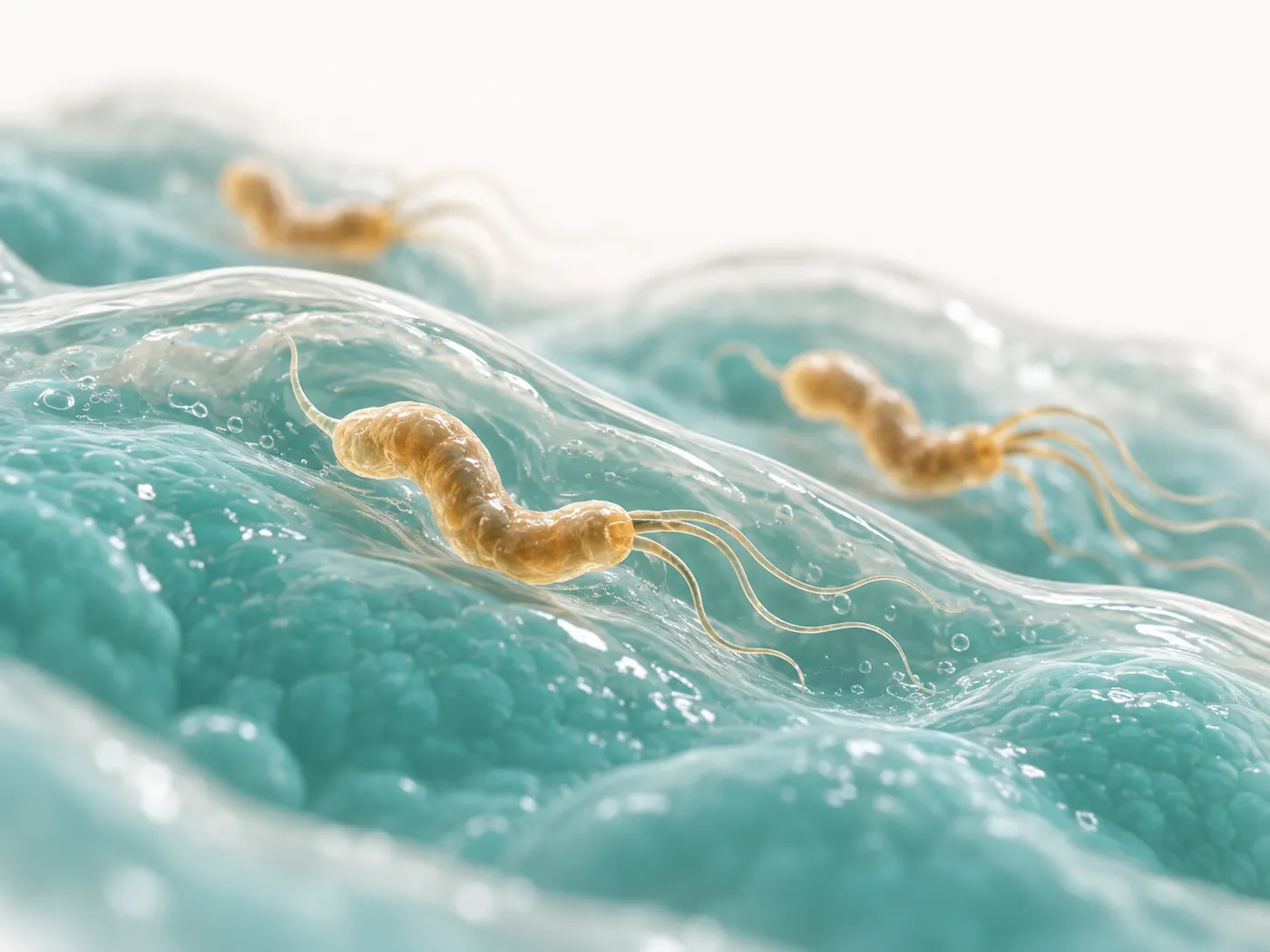
Helicobacter pylori (H. pylori) is a germ that lives in the stomach lining and is very common in India, often picked up in childhood. Many people have no symptoms, but it can cause gastritis and ulcers, and a course of treatment can clear it.
Also called: H. pylori, stomach infection, H pylori bacteria
Common symptoms
- Often no symptoms at all
- Burning or dull pain in the upper tummy
- Bloating and frequent burping
- Feeling full quickly after eating
- Nausea
- Loss of appetite
Causes and risk factors
- Spread through contaminated food or water
- Close contact within families, often in childhood
- Crowded living conditions and poor sanitation
- Having a family member who has had H. pylori or stomach problems
See a doctor straight away if you have
- Vomiting blood or material that looks like coffee grounds
- Black, tarry stools
- Difficulty swallowing
- Losing weight without trying
- Severe or constant tummy pain
- A family history of stomach cancer together with new symptoms
How it is diagnosed
H. pylori can be found with a urea breath test, a stool antigen test, or small tissue samples taken during an upper GI endoscopy. Some medicines, such as acid-reducing tablets and antibiotics, can hide the infection in these tests, so your doctor will tell you if you need to stop anything beforehand.
Tests that may help
- Urea breath test
- Stool antigen test
- Upper GI endoscopy with biopsy
- Repeat test after treatment to confirm clearance

Treatment options
Your treatment is planned after a consultation, around your tests and daily routine.
- 01
Combination course of medicines
Treatment is usually a course of two or more antibiotics together with an acid-reducing medicine, taken for one to two weeks.
- 02
Completing the full course
Taking every dose as prescribed gives the best chance of clearing the infection. Tell your doctor about side effects rather than stopping on your own.
- 03
Confirming it has cleared
A breath or stool test is usually repeated at least four weeks after finishing treatment to make sure the germ has gone.
- 04
Treating any ulcer or gastritis
If you also have an ulcer, your doctor may continue acid-reducing medicine for some weeks so it heals fully.
Diet and daily habits
- Drink safe, boiled or filtered water, especially when eating out.
- Wash your hands with soap before eating and after using the toilet.
- Choose freshly cooked, hot food and avoid food left open for long.
- Avoid alcohol and smoking during and after treatment.
- Do not take painkillers without advice, as they can add to stomach damage.
Questions patients ask
Book a 15‑minute visit
At the clinic or online, Monday to Saturday. Pick a time and the front desk will confirm.
This page is general information reviewed by Dr. Tejaswini Tumma. It does not replace a consultation.