Lower bowel
Piles & blood in stool
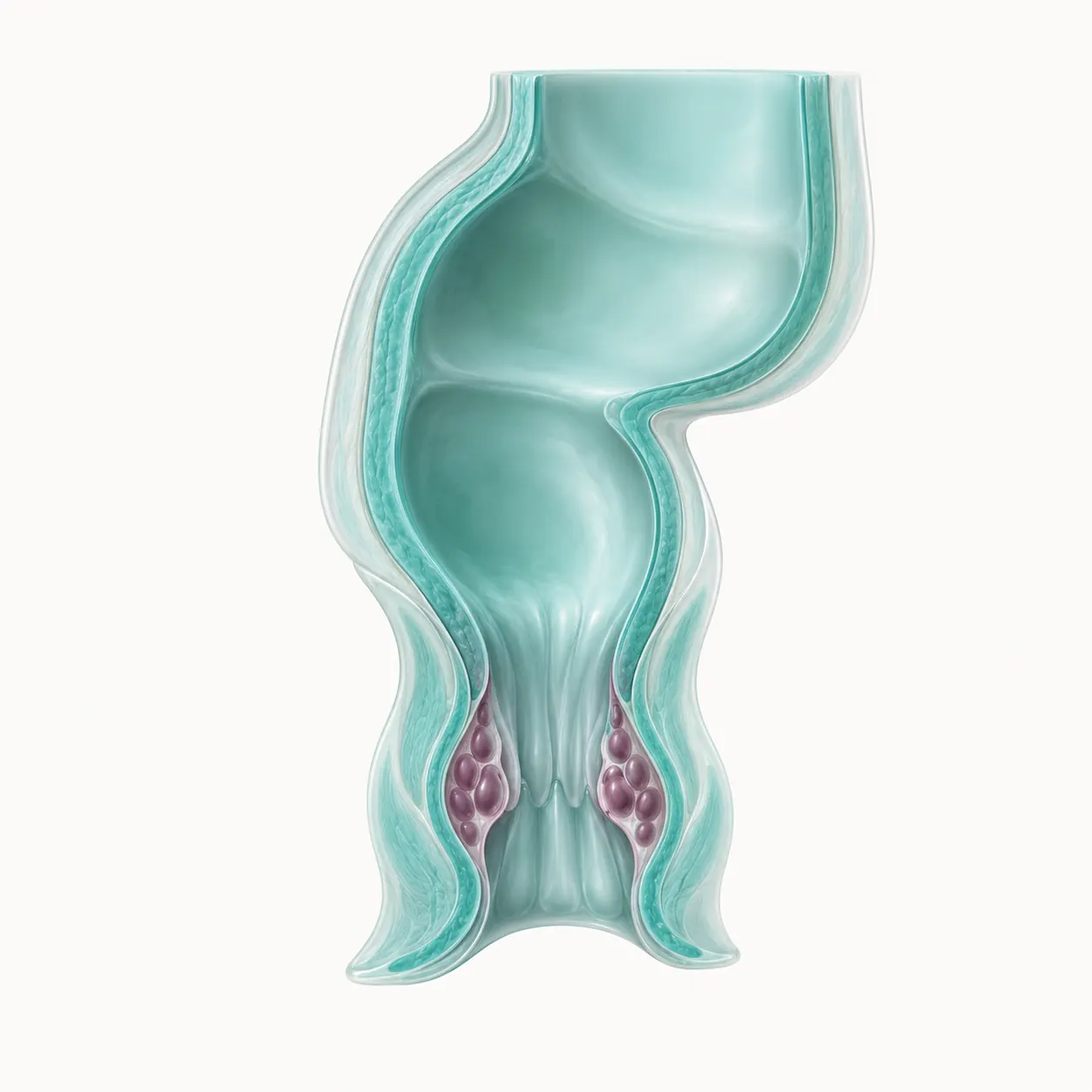
Piles (haemorrhoids) are swollen blood vessels in and around the back passage, and together with fissures (small tears) they are the most common cause of bright red blood in the stool. Most are easy to treat, but blood in the stool should always be checked by a doctor, because it can sometimes come from other conditions in the bowel.
Also called: bleeding piles, haemorrhoids, fissure, blood in stool, blood in motion
Common symptoms
- Bright red blood on the stool, in the toilet or on tissue paper
- A soft lump or swelling at the back passage
- Itching or irritation around the back passage
- Sharp, cutting pain during and after passing stool (common with a fissure)
- A feeling of fullness or not emptying fully
- Mucus discharge
- A sudden painful, hard lump if a clot forms in a pile
Causes and risk factors
- Constipation, hard stools and straining
- Long hours sitting, including on the toilet or with a phone
- Low fibre and low water intake
- Pregnancy and after childbirth
- Frequent loose motions
- Heavy lifting and extra body weight
- Other causes of blood in stool: polyps, IBD, infections and, less commonly, bowel cancer
See a doctor straight away if you have
- Heavy bleeding, large clots or bleeding that does not stop
- Black, tarry stools or dark maroon blood mixed with stool
- Dizziness, fainting, breathlessness or a fast heartbeat
- Losing weight without trying, or a change in bowel habit lasting weeks
- Severe pain with fever or swelling near the back passage
- Bleeding for the first time after the age of about 45 to 50, or a family history of bowel cancer
How it is diagnosed
Your doctor will ask about your symptoms and gently examine the back passage, sometimes with a short viewing tube (proctoscope). Depending on your age and symptoms, a sigmoidoscopy or colonoscopy may be advised to make sure the bleeding is not from polyps, colitis or another cause higher up in the bowel.
Tests that may help
- Consultation and gentle examination
- Proctoscopy
- Blood tests such as haemoglobin
- Sigmoidoscopy or colonoscopy, if needed
Treatment options
Your treatment is planned after a consultation, around your tests and daily routine.
- 01
Softening the stool
More fibre, more water and, if needed, a fibre supplement or stool softener help both piles and fissures heal and stop them coming back.
- 02
Creams, ointments and warm sitz baths
Your doctor may prescribe creams or ointments to ease pain and swelling. Sitting in a tub of warm water for 10 to 15 minutes, two or three times a day, soothes pain.
- 03
Clinic procedures for piles
Piles that keep bleeding may be treated with simple outpatient procedures such as rubber band ligation, which cuts off the blood supply so the pile shrinks.
- 04
Surgery for larger piles or fissures
Large piles, or fissures that do not heal with treatment, may need a surgical procedure, which is planned with a surgeon after discussion.
Diet and daily habits
- Eat fibre every day: vegetables, fruits like papaya and guava, dal and whole grains like jowar and ragi.
- Drink plenty of water, especially in hot weather.
- Do not strain or sit on the toilet for long, and leave your phone outside.
- Go when you feel the urge instead of holding it in.
- If you have a sitting job, stand up and walk for a few minutes every hour.
- Keep the area clean and dry, and wash gently with water instead of rubbing.
Questions patients ask
Book a 15‑minute visit
At the clinic or online, Monday to Saturday. Pick a time and the front desk will confirm.
This page is general information reviewed by Dr. Tejaswini Tumma. It does not replace a consultation.