Intestines
IBD (Crohn’s, colitis)
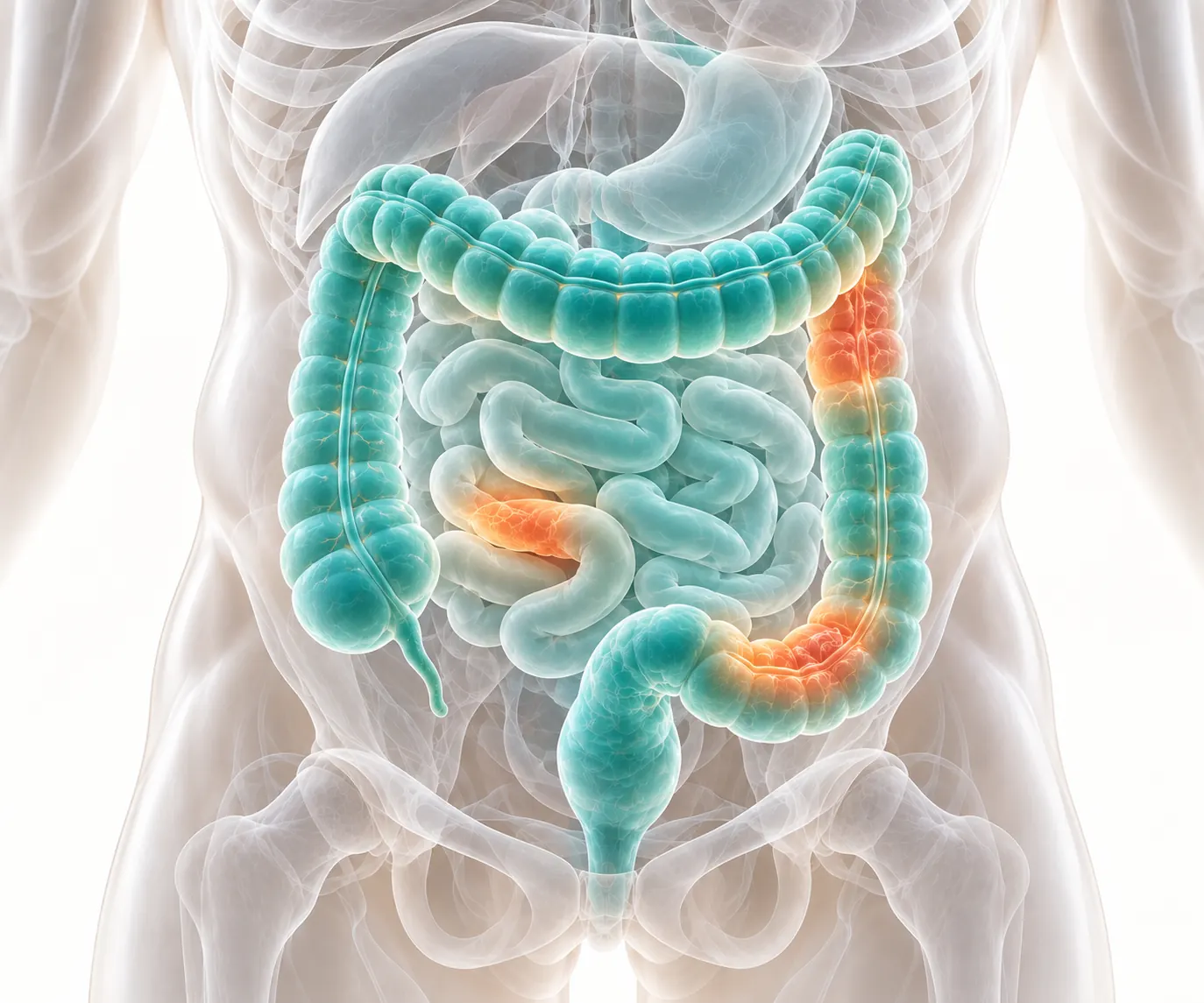
Inflammatory bowel disease (IBD) is long-term inflammation of the gut, mainly ulcerative colitis and Crohn’s disease. It usually comes in flares and quiet periods, and with regular treatment and follow-up most people can keep it under control and lead active lives.
Also called: ulcerative colitis, Crohn’s disease, colitis, blood in motions
Common symptoms
- Loose motions lasting more than a few weeks
- Blood or mucus in the stool
- Tummy pain or cramps
- Urgency to pass stool, including at night
- Tiredness and weakness, often due to anaemia
- Weight loss and poor appetite
- Fever during flares
- Joint pains, mouth ulcers, eye redness or skin problems in some people
Causes and risk factors
- An overactive immune response in the gut; the exact cause is not fully known
- Genes: having a close family member with IBD raises the risk
- Smoking, which increases the risk and severity of Crohn’s disease
- Changes in gut bacteria and a diet high in processed food may play a part
- Frequent use of painkillers (NSAIDs) can trigger flares
- Often starts in young adults, but can begin at any age
See a doctor straight away if you have
- Heavy bleeding from the back passage or passing large clots
- More than six bloody motions a day, with fever or a fast heartbeat
- Severe tummy pain, swelling of the tummy or repeated vomiting
- Dizziness, fainting or signs of dehydration such as very little urine
- Not passing stool or gas at all, with tummy swelling
- A painful swelling or discharge near the back passage
How it is diagnosed
IBD is diagnosed by combining your symptoms with blood and stool tests, a colonoscopy with biopsies and sometimes scans. In India, intestinal tuberculosis and infections can look very similar to Crohn’s disease, so careful testing is important before starting long-term treatment.
Tests that may help
- Blood tests such as haemoglobin, CRP and liver and kidney tests
- Stool tests for infection and faecal calprotectin
- Colonoscopy with biopsies
- CT or MR enterography scan of the small bowel, if needed
- Tests to rule out tuberculosis
 ColonoscopyChecks the large bowel for bleeding, polyps and inflammation.20–30 min · Sedation given
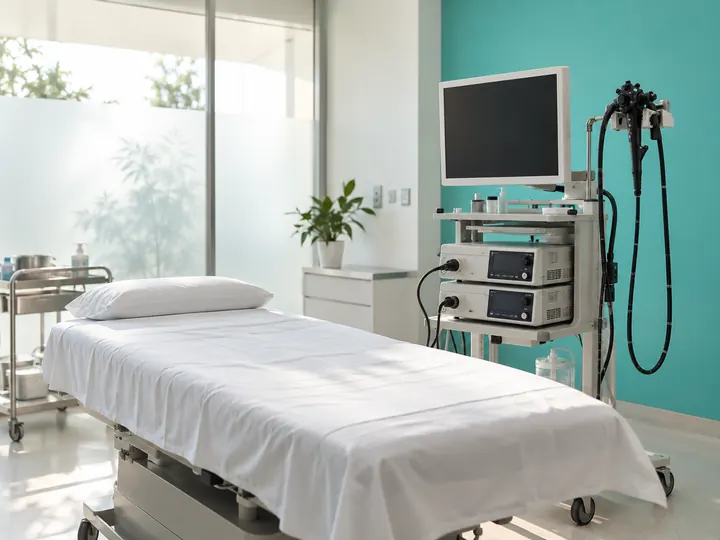 SigmoidoscopyA shorter look at the lower bowel, often without sedation.10–15 min · Usually none
 Upper GI endoscopyA thin camera looks at the food pipe, stomach and duodenum. About 10 minutes.10 min · Throat spray
Treatment options
Your treatment is planned after a consultation, around your tests and daily routine.
- 01
Medicines to control inflammation
Depending on the type and severity, your doctor may use anti-inflammatory medicines, short courses of steroids for flares, and medicines that calm the immune system.
- 02
Advanced therapies
For moderate to severe disease, biologic injections or newer targeted medicines may be suggested after checking for infections such as TB and hepatitis B.
- 03
Regular follow-up
IBD needs ongoing care, even when you feel well, with blood tests and periodic colonoscopy to check control and screen for complications.
- 04
Nutrition support
Correcting anaemia and low vitamin levels, and eating well during flares, helps recovery. Your doctor may advise iron, calcium or vitamin D.
- 05
Surgery when needed
Some people need surgery for severe disease, narrowing, abscesses or fistulas, planned together with a surgeon.
Diet and daily habits
- Keep taking your maintenance medicines even when you feel well; stopping them is a common cause of flares.
- Stop smoking, as it makes Crohn’s disease worse.
- Avoid painkillers bought over the counter; ask your doctor which pain relief is safe.
- During a flare, choose soft, easy foods such as idli, khichdi, curd rice and well-cooked vegetables.
- Drink enough water and buttermilk, especially when you have loose motions or in hot weather.
- Keep your vaccinations up to date after discussing them with your doctor.
- Keep a note of your symptoms and report flares early.
Questions patients ask
Book a 15‑minute visit
At the clinic or online, Monday to Saturday. Pick a time and the front desk will confirm.
This page is general information reviewed by Dr. Tejaswini Tumma. It does not replace a consultation.