Intestines
IBS
Irritable bowel syndrome (IBS) is a common long-term condition where the gut is extra sensitive and bowel movements change, causing pain, bloating, loose motions, constipation or both. It does not damage the bowel or lead to cancer, and symptoms can be controlled well with the right diet, lifestyle and treatment.
Also called: irritable bowel syndrome, loose motions after food, frequent motions, bloating and cramps
Common symptoms
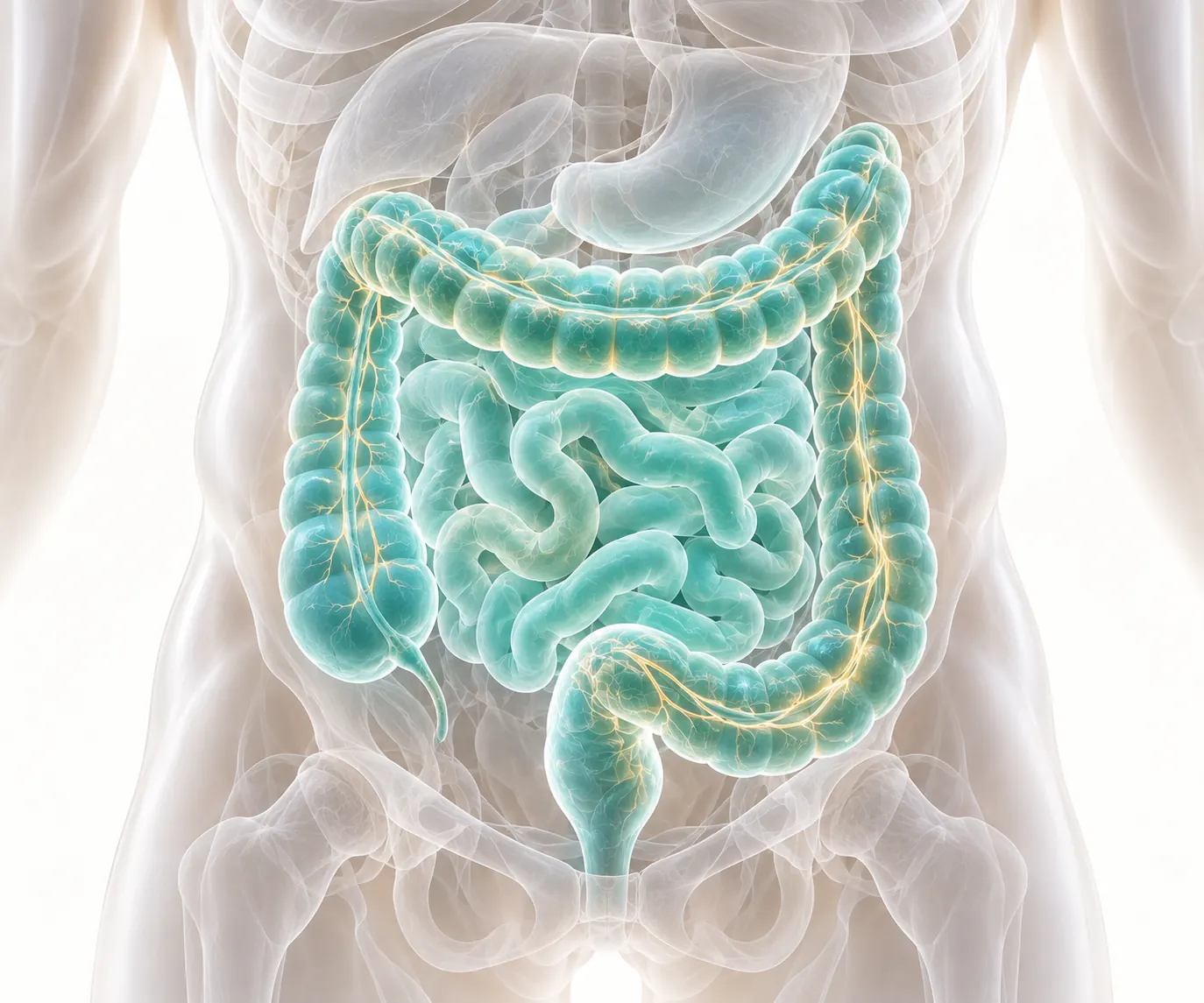
- Tummy pain or cramps that often ease after passing stool
- Bloating and a swollen feeling in the tummy
- Loose motions, constipation, or a mix of both
- Urgency to rush to the toilet, often after meals or in the morning
- Mucus in the stool
- A feeling of not emptying the bowel fully
- Symptoms that come and go, often worse with stress
Causes and risk factors
- A more sensitive gut and changes in how the gut and brain communicate
- Stress, anxiety and poor sleep, which can trigger flares
- A past stomach infection or food poisoning
- Certain foods, such as very oily or spicy food, or foods that make gas
- Changes in the balance of gut bacteria
- More common in younger adults and in women
See a doctor straight away if you have
- Blood in the stool or black stools
- Losing weight without trying
- Symptoms starting for the first time after the age of about 50
- Waking at night with diarrhoea or pain
- Fever, or diarrhoea that is persistent and severe
- Anaemia, or a family history of bowel cancer, IBD or coeliac disease
How it is diagnosed
IBS is diagnosed from your symptoms and by making sure there is no other cause. Your doctor may do blood and stool tests to check for infection, inflammation, thyroid problems or coeliac disease, and a colonoscopy only if there are warning signs or other concerns.
Tests that may help
- Consultation and examination
- Blood tests such as haemoglobin, thyroid and coeliac screen
- Stool tests for infection or inflammation
- Colonoscopy, if there are warning signs
Treatment options
Your treatment is planned after a consultation, around your tests and daily routine.
- 01
Understanding your triggers
Keeping a simple food and symptom diary helps you and your doctor find patterns. Knowing that IBS is not dangerous also eases worry for many people.
- 02
Diet changes
Regular meals, less oily food and adjusting fibre can help. Some people benefit from a guided low-FODMAP diet for a short time.
- 03
Medicines for symptoms
Your doctor may suggest medicines to relieve cramps, control loose motions or ease constipation, depending on your main symptoms.
- 04
Managing stress and sleep
Regular exercise, relaxation, yoga and good sleep can reduce flares. In some people, low-dose gut-brain medicines or talking therapy are helpful.
Diet and daily habits
- Eat meals at regular times and avoid skipping meals or eating very late.
- Reduce very oily, fried and spicy foods if they bring on symptoms.
- If bloating is a problem, limit gas-forming foods such as rajma, chole, cabbage and fizzy drinks.
- Plain curd and buttermilk suit many people with IBS.
- Limit tea, coffee and alcohol.
- Walk, do yoga or exercise regularly to ease stress and help the bowel.
- Drink enough water, especially if you have loose motions or in hot weather.
Watch Dr. Tejaswini explain
IBS: How to Get Relief? Causes, Diagnosis & Best Treatment
Questions patients ask
Book a 15‑minute visit
At the clinic or online, Monday to Saturday. Pick a time and the front desk will confirm.
This page is general information reviewed by Dr. Tejaswini Tumma. It does not replace a consultation.