Intestines
Constipation
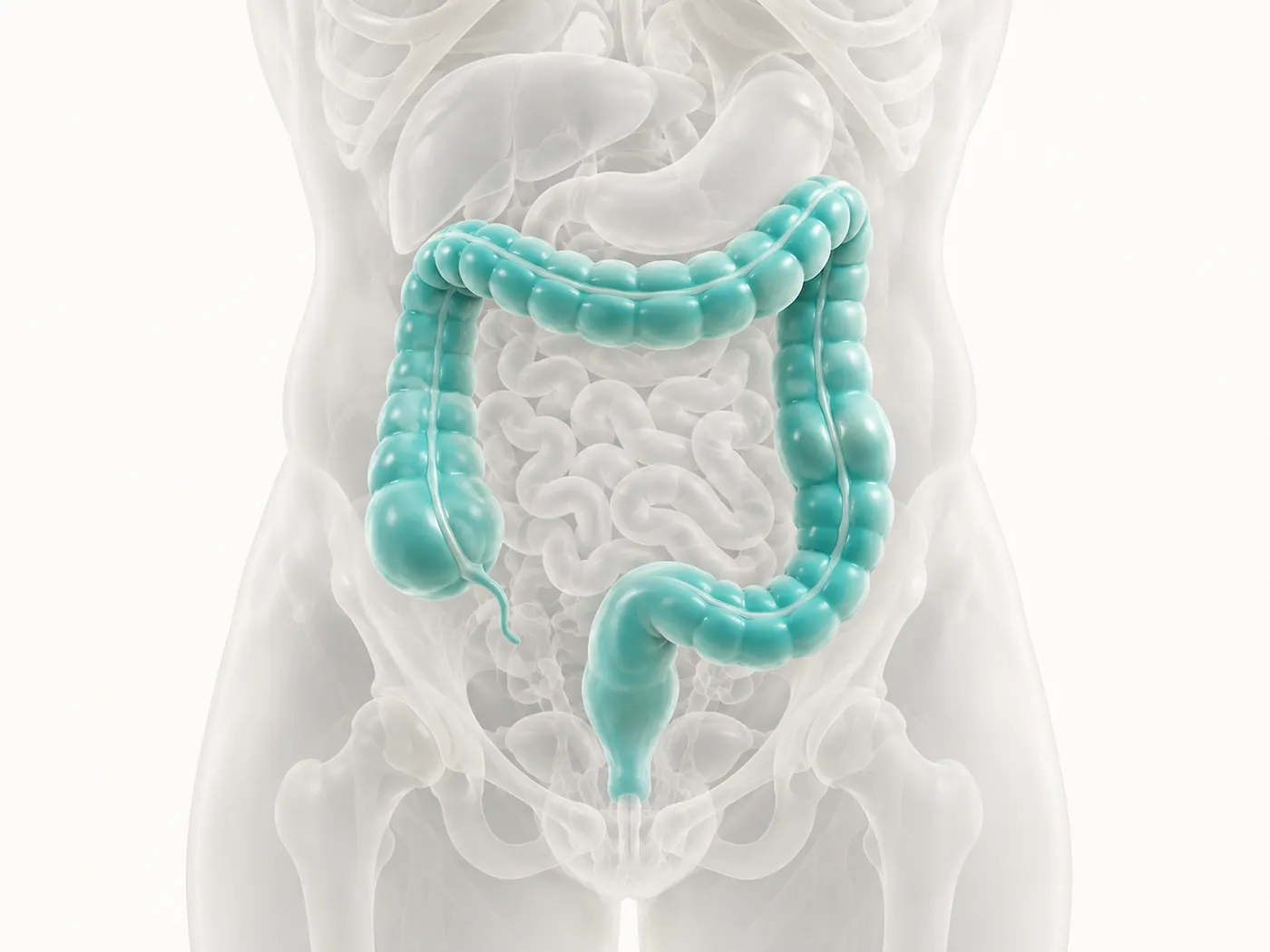
Constipation means passing stools less often than usual, or having hard stools that are difficult to pass. It is very common, and most people improve with more fibre, water and activity, but some need tests and treatment.
Also called: motion not coming, hard stools, no motion, straining in toilet
Common symptoms
- Passing stools fewer than three times a week
- Hard, dry or lumpy stools
- Straining or pain while passing stools
- A feeling that the bowel has not emptied fully
- Bloating or tummy discomfort
- Needing to press or use your fingers to pass stool
Causes and risk factors
- Low fibre in the diet, with few vegetables, fruits and whole grains
- Not drinking enough water, especially in hot weather
- Long hours of sitting and little physical activity
- Ignoring the urge to go, or changes in routine and travel
- Medicines such as iron tablets, some painkillers, antacids and some BP or mood medicines
- Conditions such as thyroid problems, diabetes, pregnancy or IBS
- Problems with the muscles of the back passage (pelvic floor dyssynergia)
See a doctor straight away if you have
- Blood in the stool or black stools
- Losing weight without trying
- A new change in bowel habit after the age of about 45 to 50
- Severe tummy pain, swelling of the tummy with vomiting, or not passing gas at all
- A family history of bowel cancer
- Anaemia (low haemoglobin) found on a blood test
How it is diagnosed
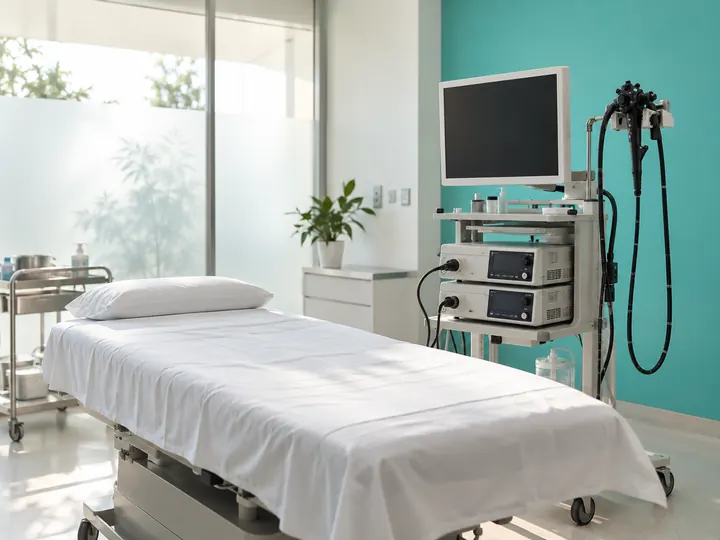
Your doctor will ask about your bowel habits, diet and medicines, and may examine your tummy and back passage. Blood tests can look for causes such as thyroid problems or anaemia, and a colonoscopy may be advised if you have warning signs or are older.
Tests that may help
- Consultation and examination
- Blood tests such as haemoglobin, thyroid and sugar
- Colonoscopy or sigmoidoscopy, if needed
- Anorectal manometry in selected cases
Treatment options
Your treatment is planned after a consultation, around your tests and daily routine.
- 01
Fibre, fluids and activity
Adding fibre slowly, drinking more water and walking daily are the first steps and help many people.
- 02
Medicines to soften stools
Your doctor may suggest a fibre supplement or a gentle laxative for a period. Avoid using strong laxatives regularly without advice.
- 03
Reviewing your medicines
If a medicine is causing constipation, your doctor may suggest a change. Do not stop prescribed medicines on your own.
- 04
Bowel habit training and biofeedback
Going at a regular time and using a footstool can help. If the pelvic floor muscles are not working well together, biofeedback therapy may be advised.
Diet and daily habits
- Include fibre every day: whole grains like jowar and ragi, dal, vegetables, and fruits such as papaya and guava.
- Drink plenty of water through the day, and more in hot weather.
- Walk or exercise for at least 30 minutes on most days.
- Do not ignore the urge to pass stool, and try to go at the same time each day, such as after breakfast.
- Resting your feet on a small stool while on a Western toilet can make passing stool easier.
- Increase fibre slowly to avoid extra gas and bloating.
Questions patients ask
Book a 15‑minute visit
At the clinic or online, Monday to Saturday. Pick a time and the front desk will confirm.
This page is general information reviewed by Dr. Tejaswini Tumma. It does not replace a consultation.