Liver & gallbladder
Jaundice
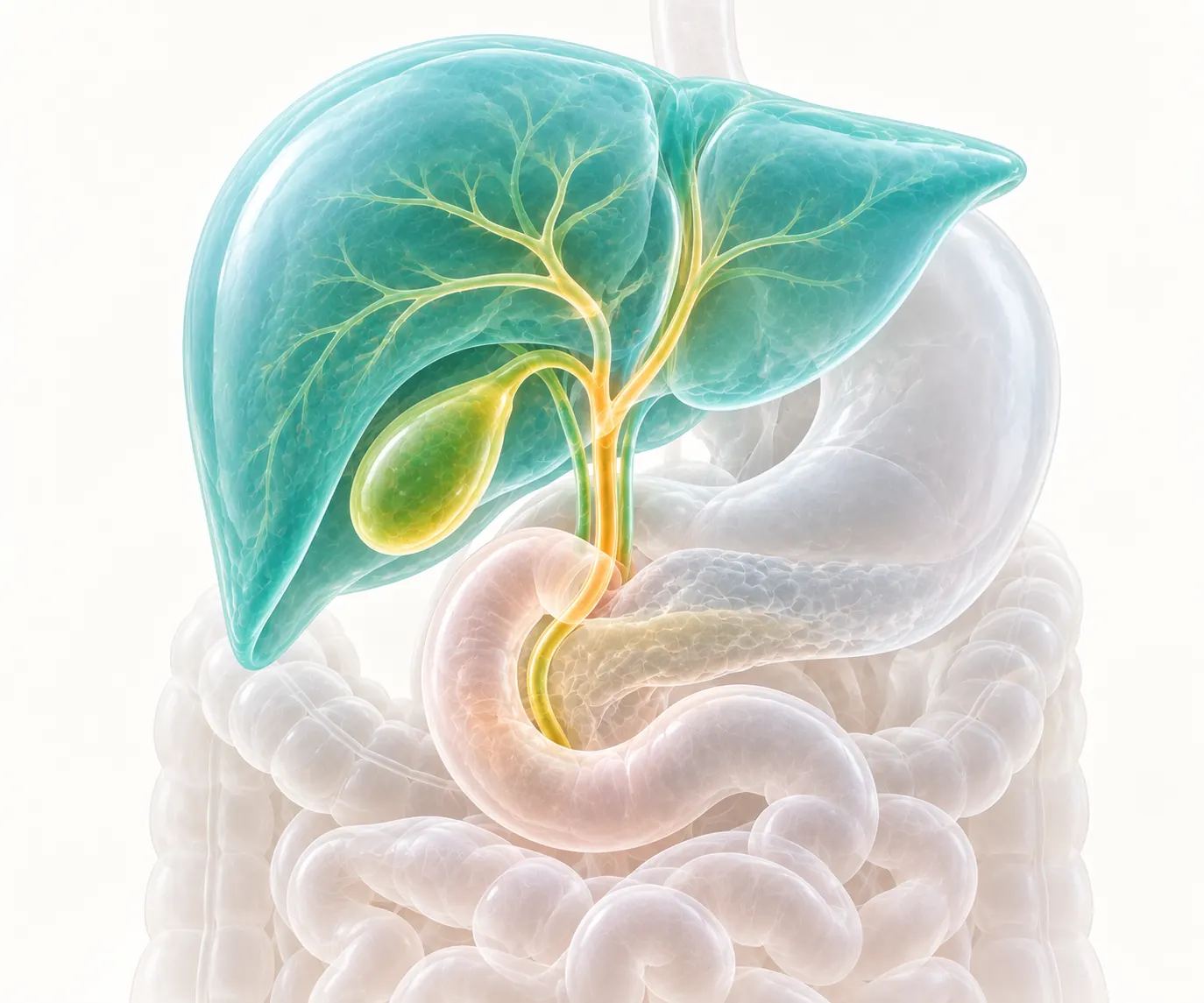
Jaundice means your eyes and skin turn yellow because a pigment called bilirubin builds up in your blood. It is a sign that something is affecting your liver, bile ducts or blood, so the cause must be found before any treatment.
Also called: yellow eyes, yellow urine, high bilirubin
Common symptoms
- Yellow colour in the whites of the eyes or the skin
- Dark yellow or tea-coloured urine
- Pale, clay-coloured stools
- Itching all over the body
- Tiredness, loss of appetite and nausea
- Fever or pain in the upper abdomen in some people
Causes and risk factors
- Viral hepatitis: hepatitis A and E (from contaminated food and water), and hepatitis B and C
- Alcohol-related liver disease
- Stones or narrowing blocking the bile duct
- Liver injury from some medicines or herbal and unregulated remedies
- Long-standing liver disease such as cirrhosis
- Tumours of the pancreas, bile duct or liver, which cause a blockage
- Faster breakdown of red blood cells, or harmless Gilbert’s syndrome
See a doctor straight away if you have
- Fever with chills and shivering along with jaundice
- Confusion, unusual drowsiness or behaviour change
- Vomiting blood or passing black, tarry stools
- Severe abdominal pain
- Repeated vomiting and being unable to keep food or water down
- Jaundice during pregnancy
How it is diagnosed
Your doctor will ask about your symptoms, alcohol, medicines and remedies, and examine you. Blood tests show the bilirubin level, how the liver is working and whether a virus is the cause. An ultrasound checks the liver and whether the bile duct is blocked. If a blockage is found, an MRCP or EUS may be advised, and ERCP can both confirm and clear a blocked bile duct.
Tests that may help
- Liver function tests (LFT)
- Complete blood count
- Prothrombin time (PT/INR)
- Hepatitis A, B, C and E tests
- Ultrasound abdomen
- MRCP or CT scan if needed
Treatment options
Your treatment is planned after a consultation, around your tests and daily routine.
- 01
Treating the cause
Treatment depends on what is causing the jaundice. This is why a proper diagnosis comes first.
- 02
Supportive care for viral hepatitis
Jaundice from hepatitis A or E usually settles with rest, fluids and good nutrition while your doctor monitors your blood tests.
- 03
Clearing a blocked bile duct
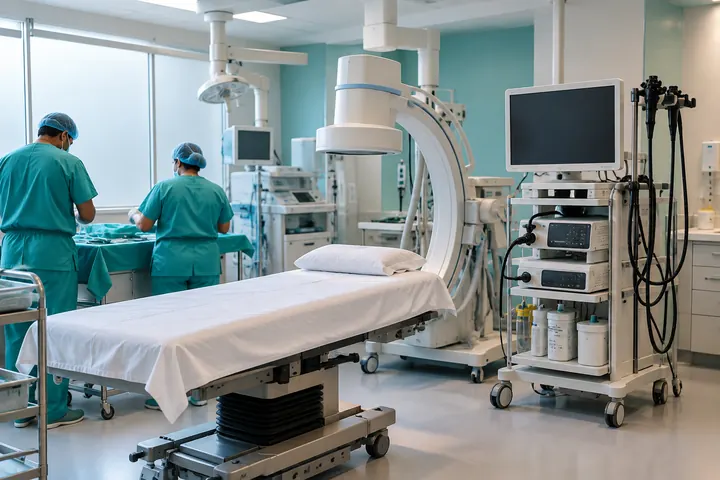
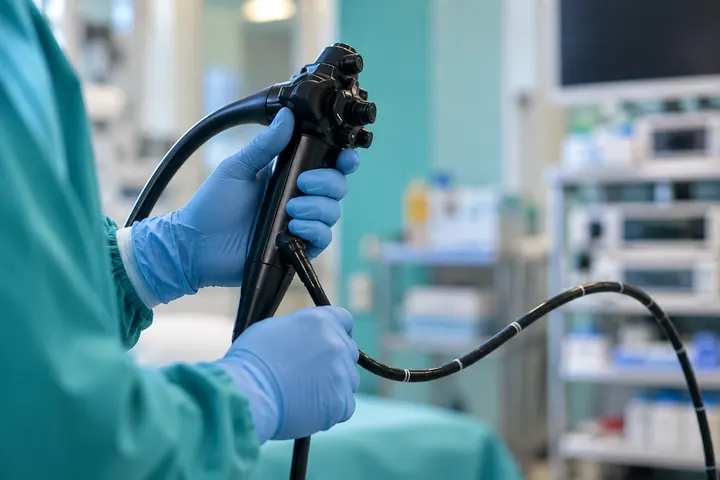
If stones or a narrowing block the bile duct, your doctor may suggest ERCP to remove the stones or place a small tube (stent) so bile can drain.
- 04
Stopping harmful medicines or alcohol
If a medicine, remedy or alcohol is the cause, stopping it under your doctor’s guidance helps the liver recover.
- 05
Hospital care when needed
Severe jaundice, infection of the bile duct or signs of liver failure need admission for close monitoring and treatment.
Diet and daily habits
- Do not rely on home remedies, herbal medicines or local “jaundice treatments” without a diagnosis; they can delay care and some harm the liver.
- Drink safe, boiled or filtered water and avoid uncovered roadside food to prevent hepatitis A and E.
- Eat normal, light, home-cooked meals; you do not need to avoid turmeric, oil or protein completely unless your doctor says so.
- Avoid alcohol completely until your doctor says your liver has recovered.
- Take only the medicines your doctor has prescribed, including painkillers.
- Get vaccinated against hepatitis B, and hepatitis A if your doctor advises.
Watch Dr. Tejaswini explain
My Journey to Recovery from Jaundice
Questions patients ask
Book a 15‑minute visit
At the clinic or online, Monday to Saturday. Pick a time and the front desk will confirm.
This page is general information reviewed by Dr. Tejaswini Tumma. It does not replace a consultation.