Pancreas
Pancreatitis
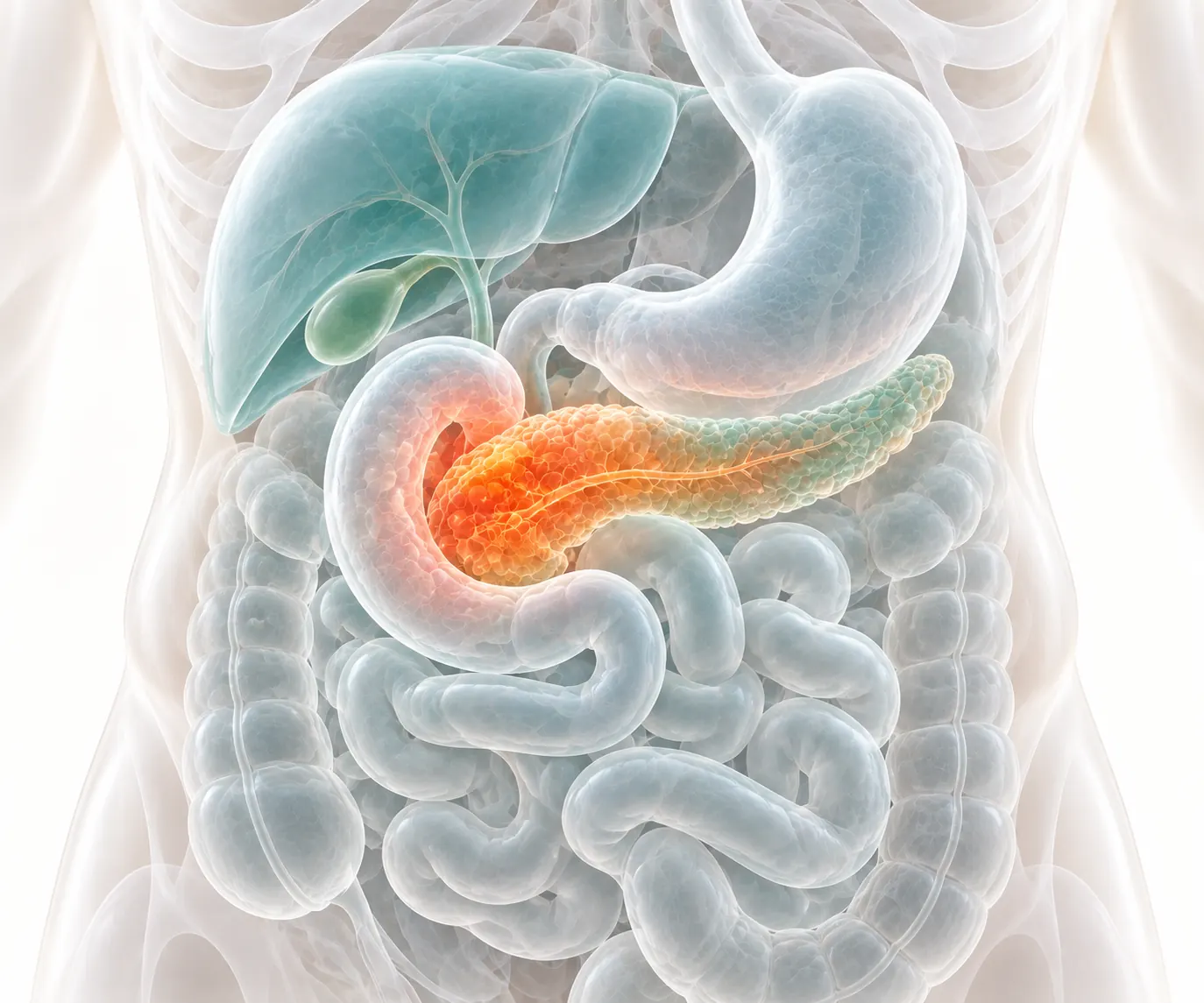
Pancreatitis is inflammation of the pancreas, a gland behind the stomach that helps digest food and controls blood sugar. A sudden (acute) attack needs hospital care, and repeated attacks can lead to long-term (chronic) damage.
Also called: pancreas swelling, pancreas pain
Common symptoms
- Sudden, severe pain in the upper middle abdomen
- Pain that spreads to the back and eases slightly when bending forward
- Nausea and repeated vomiting
- Fever and a fast heartbeat
- Tender, bloated abdomen
- In long-term pancreatitis: repeated pain, weight loss and oily, foul-smelling stools
Causes and risk factors
- Gallstones blocking the opening of the pancreas
- Drinking alcohol, especially heavily or over many years
- Very high triglycerides (a type of blood fat)
- Some medicines, or a high calcium level in the blood
- After an ERCP or an injury to the abdomen
- Tropical (idiopathic) chronic pancreatitis, seen in South India, and inherited causes
See a doctor straight away if you have
- Severe abdominal pain that does not settle
- Repeated vomiting and being unable to keep fluids down
- Breathlessness, a fast heartbeat or feeling faint
- Passing very little urine
- Yellow eyes or skin with fever and chills
- Confusion or unusual drowsiness
How it is diagnosed
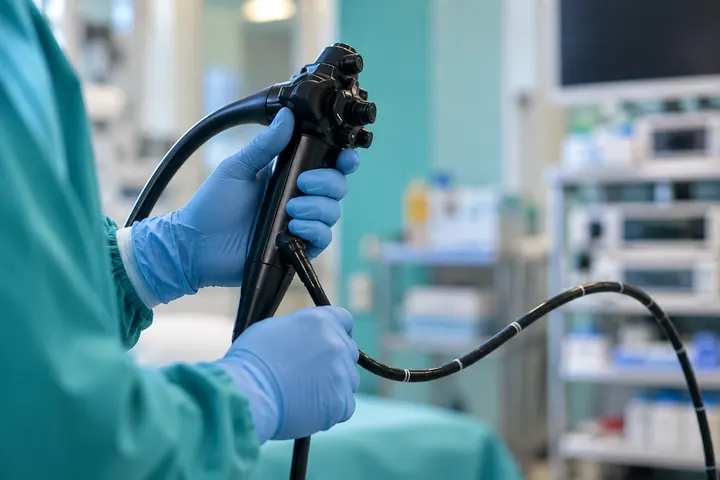
Pancreatitis is diagnosed with blood tests for amylase or lipase along with your symptoms. An ultrasound looks for gallstones, and a CT scan may be done to check for complications. Your doctor will also test triglycerides and calcium to find the cause. EUS can find small stones or other causes after an attack, and ERCP is used to clear stones blocking the bile duct.
Tests that may help
- Serum amylase and lipase
- Liver function tests (LFT)
- Triglycerides and calcium
- Complete blood count and kidney function
- Ultrasound abdomen
- CT scan or MRCP if needed

Treatment options
Your treatment is planned after a consultation, around your tests and daily routine.
- 01
Hospital care for an acute attack
An attack is treated in hospital with intravenous fluids, pain relief and close monitoring. Most mild attacks settle within a few days.
- 02
Early feeding and nutrition
Once vomiting settles, eating is usually restarted early with light food, as nutrition helps healing. Sometimes a feeding tube is needed.
- 03
Treating the cause
If gallstones caused the attack, ERCP may be needed for bile duct stones, and gallbladder removal is usually advised to prevent another attack. Stopping alcohol is essential if it was the cause.
- 04
Care for chronic pancreatitis
Long-term pancreatitis may need pain management, enzyme capsules taken with meals to help digestion, and treatment of diabetes if it develops.
Diet and daily habits
- Stop alcohol completely; even small amounts can trigger another attack.
- Stop smoking, as it adds to pancreas damage.
- Eat smaller, regular meals and keep fried and very oily food low.
- Choose home-cooked meals with dal, vegetables, rice or millets, and lean protein.
- Keep triglycerides, sugar and weight under control with your doctor’s guidance.
- Do not ignore severe abdominal pain or treat it with painkillers at home; see a doctor.
Questions patients ask
Book a 15‑minute visit
At the clinic or online, Monday to Saturday. Pick a time and the front desk will confirm.
This page is general information reviewed by Dr. Tejaswini Tumma. It does not replace a consultation.